by
by 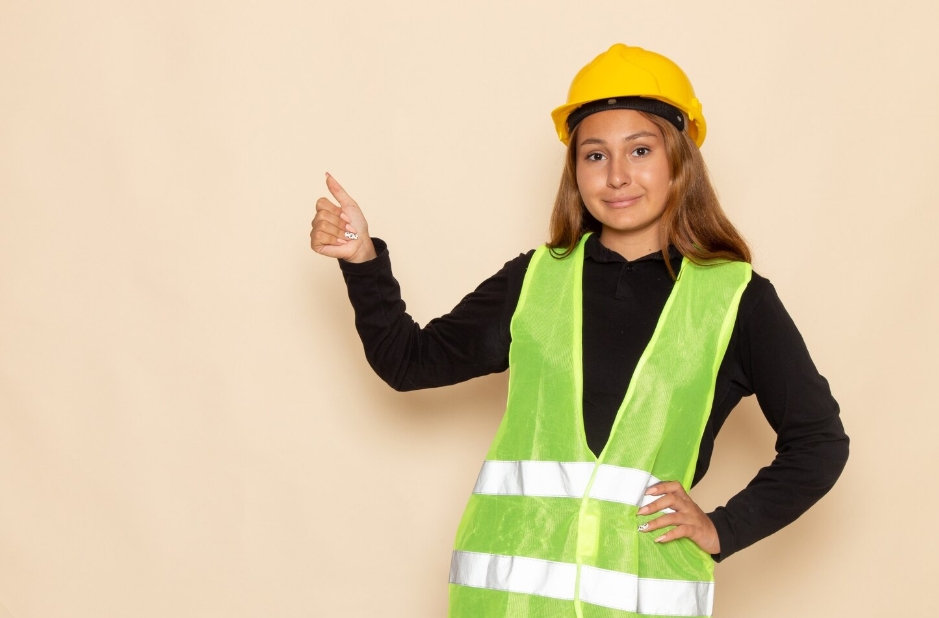
The visibility classes defined under ANSI/ISEA 107 are not interchangeable, and the question of when a crew should be working in Class 3 rather than Class 2 is one of the more consequential decisions a safety program makes. Class 3 represents the highest level of visibility coverage available under the standard, and selecting the right class 3 safety vest for a working context begins with understanding the specific conditions under which Class 3 is required, recommended, or simply the more defensible choice. For commercial decorators, professional installation companies, warehouse managers staging seasonal crews, and venue operators outfitting installation teams, getting this decision right protects both crew safety and the program’s standing under the regulatory and contractual expectations that apply to commercial installation work.
What Class 3 Coverage Actually Provides
The ANSI/ISEA 107 standard defines Class 3 as the highest visibility tier available under the framework. Class 3 garments incorporate substantially more high-visibility background material and reflective tape than Class 2, with placement designed to define the human form clearly from any direction in low-light or low-visibility conditions. The standard requires Class 3 garments to provide visibility on the torso, arms, and where applicable, the lower body, with retroreflective material sized and positioned to remain visible across a wider range of viewing angles and distances than lower tiers.
The result, in practical terms, is a worker whose presence and movement are recognizable to a driver or equipment operator at greater distance, in worse conditions, and with more reaction time available than a Class 2 garment provides. The cost is a more substantial garment that requires more material, more reflective tape, and more deliberate fit and sizing.
Working Conditions That Require or Justify Class 3
Several working contexts move a crew from Class 2 to Class 3 under regulatory requirement, contractual expectation, or defensible safety practice.
Roadway proximity is the most common driver. Federal Highway Administration guidance under 23 CFR 634, which implements requirements for high-visibility apparel for workers within the right-of-way of federal-aid highways, generally requires Class 2 minimum, with Class 3 typically specified for work near higher-speed traffic, complex traffic patterns, or extended exposure. Holiday installation work along commercial frontages bordering busy roadways, on traffic islands, or along medians often falls under contracts that specify Class 3 by reference to FHWA guidance or municipal requirement.
Low-light and nighttime work is the second major driver. Many holiday installation shifts begin before dawn or extend after dark, when ambient visibility is reduced and reflective material does the bulk of the visibility work. Class 3 garments, with their greater coverage of reflective tape, perform substantially better than Class 2 in these conditions and are the more defensible choice for crews working consistent low-light shifts.
Complex work zones with multiple equipment operators, vehicles, and crew members in proximity create environments where visibility from any direction matters. Class 3, which is engineered for visibility from the front, sides, and back, provides coverage that Class 2 garments are not specifically designed to deliver.
Inclement weather, including rain, snow, and fog, reduces visibility for drivers and equipment operators regardless of crew apparel. In these conditions, the additional visibility coverage of Class 3 garments offsets the reduced ambient visibility and maintains the recognition margin that crew safety depends on.
Class 3 Vest, Class 3 Jacket, or Class 3 Bib
Class 3 visibility can be achieved through several garment types. Vests with attached sleeve sections, full Class 3 jackets, or combinations of Class 2 vests with Class 3 sleeve add-ons all meet the standard when configured correctly. The choice depends on the working temperature range, the activities the crew performs, and the layering already in use.
For cold-weather holiday installation work, a Class 3 jacket often makes more sense than a Class 3 vest worn over insulating layers, since the integrated construction provides both visibility and weather protection in a single garment. For milder conditions or for crews already wearing Class 2 jackets, Class 3 vests with sleeve extensions or full Class 3 vests over base layers may be the practical choice.
Sizing and Fit Across a Crew
Class 3 visibility coverage is engineered to specific sizing relationships, and a vest that is too small for the wearer may not provide the rated coverage even if the label specifies Class 3. Crews working in Class 3 should be sized accurately, with allowance for layering, and the garments should be inspected periodically for damage to reflective tape that would compromise the rated visibility.
A defensible visibility program is built on accurate matching of class to working condition, consistent crew compliance, and equipment that holds up across the working season. For commercial decorators, installation companies, warehouse managers, and venue operators outfitting crews to the specific demands of cold-weather, low-light, and roadway-proximity holiday installation work, National Safety Gear supplies Class 3 vests, jackets, and complementary high-visibility apparel built to meet the standard and the conditions in which the standard actually matters.